
-

Try advanced features for free
Get Smarter responses, upload files, create images, and more by logging in.
Log In Sign up & Earn $5

How AI in Content Marketing Helps Drive Better Engagement?
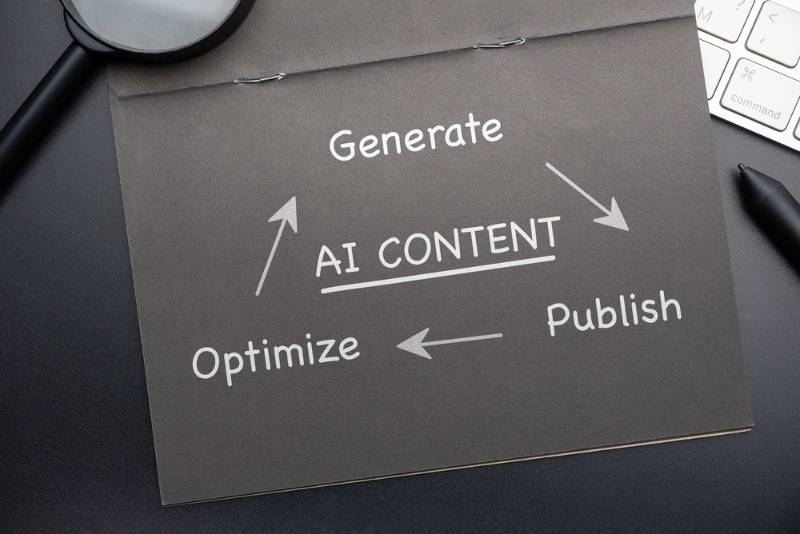
AI is changing how brands write, post, test, and even think about content. A few years ago, content teams handled everything manually-long planning meetings, slow edits, and endless revisions. Now, things move differently. Faster, yes, but also smarter in strange ways. Content can be shaped around what people actually click, read, ignore, or leave halfway through.
That matters because engagement is hard to keep. Attention shifts quickly. Readers move on even faster. Businesses notice this. In this blog, we will look at how AI helps content marketing improve engagement, content creation, personalization, planning, and performance.
How AI in Content Marketing Improves Engagement?
AI in content marketing is not about replacing marketers. That idea gets repeated too much. It mostly helps teams work faster, test ideas sooner, and understand what audiences care about before spending weeks creating something nobody reads.
AI studies behavior. What users click. How long do they stay? What headlines fail. Small things, yet useful. Instead of guessing, marketers start making decisions using patterns.
A company posting blogs every week can use AI to identify which topics bring more traffic or which content format keeps people engaged longer. Some posts work. Others disappear quietly. AI notices the difference.
Brands even use AI to shape content for different audience groups. Someone new to a website may see beginner content. Returning readers get something deeper. That shift matters.
Why Better Engagement Matters More Than Traffic?
Traffic looks impressive on the reports. Engagement matters more.
If people bail after ten seconds, those big traffic numbers don't mean much. What matters is real engagement, and AI digs up the signals that count:
- How long folks hang around
- Where they click
- Who bounces
- Who comes back
- Who shares content
This is the stuff that actually tells you what's working.
Don't Miss: What are the Best ChatGPT Alternatives for Coding in 2026?
How AI is Transforming Content Creation Today?
One big reason marketers care about AI is simple-content creation takes time. A lot of time.
Research alone can slow teams down. Then outlining. Drafting. Editing. Optimization. Publishing. It adds up quickly.
Smarter Research Makes Content Faster
AI's making life easier for marketers. It pulls info together fast, organizes messy ideas, and gets you started. Instead of spending hours sorting notes, teams move faster into writing.
This does not mean skipping research. It means shortening repetitive work.
Better Ideas Come from Pattern Recognition
Running out of content ideas happens more than people admit.
It doesn't just sort data-it spots hidden patterns in what your audience does. Which topics keep popping up? What are people searching for again and again? Which questions come up? Where are competitors falling short? AI catches all this, so you don't miss what matters.
That creates stronger content plans.
Maybe people searching for email marketing also care about automation mistakes. AI catches those overlaps. Humans sometimes miss them.
Ways AI for Content Generation Supports Marketers

The phrase "AI for content generation" gets misunderstood. People imagine robots writing perfect content automatically. Reality is messier.
AI helps generate drafts, outlines, product descriptions, social captions, email subject lines, or summaries. But rough drafts still need editing. Usually a lot.
Drafting Content Without Starting From Zero
Blank pages waste time.
Many marketers now use AI to generate first drafts or rough structures. Repetitive content? AI handles it in no time. Writing product descriptions takes way less effort.
For example:
- But it's useful across everything. Marketers tweak recommendations, emails, blog posts, offers-whatever people interact with. The tool drafts a basic version, and then marketers jump in to fine-tune the details. No more typing the same phrases again and again.
- For emails, headline testing turns from a slog into a breeze. You don't need to sit there coming up with a dozen subject lines by hand. The AI spits out options, and you polish the ones that work.
- Blog outlines? They're a lifesaver. AI lays out a structure in minutes, so writers can stop wrestling with a blank page and actually get to the good stuff-making ideas clearer and adding better examples.
The key thing-AI saves time at the beginning. Humans finish the job.
Personalization Feels Less Random
People expect personalized content now. Generic messaging feels lazy.
AI helps marketers adjust recommendations, emails, blog suggestions, or offers depending on behavior.
If someone checks out beginner SEO content, maybe next they get a simple marketing guide. Another user reading advanced analytics articles gets technical material instead.
Suggested Reading: How to Use MyGPT Developer AI to Create a Website in 2026?
AI Helps Marketers Predict What Audiences Want
This part matters more than many realize. AI does not only react. Sometimes it predicts.
Marketers use predictive analysis to estimate what topics may trend, which campaigns might fail, or what readers are likely to click next. Nobody predicts perfectly, obviously. Still, patterns help.
If data reveals people suddenly love short tutorials, brands can jump on that trend way before the competition catches on. That small timing advantage becomes useful.
The same thing applies to publishing schedules. AI may suggest when audiences are most active. Posting randomly becomes less common.
Testing Content Gets Easier
A/B testing used to take patience. Now AI helps marketers test headlines, images, email wording, or page layouts quickly. Weak content gets replaced faster.
One version performs badly. Another suddenly lifts clicks by twenty percent. Hard to predict manually. Small adjustments create bigger engagement shifts than people expect.
Sometimes changing one sentence works better than redesigning an entire campaign.
Also Read: One-Shot Prompting: The Secret to Better AI Results
Conclusion
AI is changing content marketing, though not in the dramatic way some expected. It is less about machines replacing marketers and more about making work sharper, quicker, and sometimes smarter. Better research, stronger personalization, faster drafts, cleaner testing - these things add up. Engagement improves because content feels more relevant instead of random.
Yet human judgment still matters. Maybe more than before. Readers want useful content, but also something real. Slightly messy. Human. That part stays difficult to automate, at least for now. For faster research support while planning content ideas, many marketers also use perplex.com.
FAQs
Can small businesses afford AI content marketing tools?
Absolutely. There are plenty of affordable tools, and lots of them even come with free starter plans. Small businesses usually test out headline suggestions, keywords, or email help first and then upgrade when they're ready to go bigger.
Does AI work better for blogs or social media?
What you get out of it depends, really. Blogs fly with quick outlines and research. Social media benefits from fresh captions, trend spotting, and speed tests. Most brands use AI everywhere, not just for one thing.
How long until you see better engagement with AI?
Everyone's timeline looks different. Sometimes, click rates jump within weeks-especially on emails or headlines. Real improvements go deeper and start showing up after a couple of months, once you have more data to work with.
Can AI help refresh old content?
AI's great for digging up what doesn't work anymore. It pinpoints weak keywords, missing topics, and questions people still want answers to. You don't have to redo everything-just upgrade what you have and keep your audience interested.
Recommended Articles
How AI Browsers Improve the Wa...
Online search behavior is already beginning to change. Sneakily, almost steal...
Read More
How to Use Perplex AI for Smar...
People can use Perplex AI for smarter finance to make better fin...
Read More

What can I help you with?
Unlock more with PerplexPlus
PerplexPlus gives you higher limits, smarter models, and more.