
-

Try advanced features for free
Get Smarter responses, upload files, create images, and more by logging in.
Log In Sign up & Earn $5

How AI Browsers Improve the Way People Search Online?
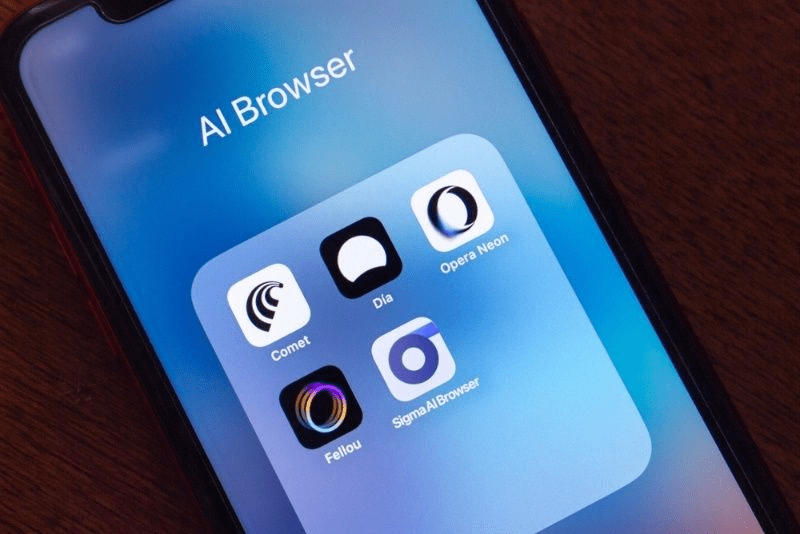
Online search behavior is already beginning to change. Sneakily, almost stealthily. Copying random words into a search bar, opening 10 tabs, and comparing answers - it still does happen, but not as much as it did before. They want quick responses, minimal clicks, and no noise. This is where AI browsers come in handy.
They don't only aid people to navigate web pages. They attempt to comprehend meaning, paraphrase, weed out noise, and even complete tasks. It is not searching and more like getting specific assistance. This blog will focus on the impact of AI browsers on online search, their benefits, and what the future might hold.
How AI Browsers are Changing Online Search?
Traditional search can be a bit of a hassle. You're looking for something simple, and all of a sudden it's ads, repeated articles, and unrelated links. Ten minutes disappear.
AI browsers are designed to cut down on the friction. They can display a single page of links, or they can now comprehend what users are trying to find and can present direct answers more quickly. There are some that can summarize a page in no time at all. Others make it easy for users to compare information on sites, rather than forcing them to go from one site to another.
Search Starts Feeling More Conversational
The way individuals engage with search itself is one significant change.
Users are increasingly asking questions as they are conversing with someone instead of mindlessly skimming ten articles. Browser AI algorithms are able to decipher context, follow-up queries, and even preferences over time. It's a less robotic experience.
Less Clicking and More Action
People are sick of browsing nonstop.
These days, a lot of AI browsers summarize websites right within the user interface. It might not be necessary for you to open each page. Time is saved since key points are presented up front.
Why do AI Web Browsers Feel Different from Traditional Browsers?
The primary distinction is straightforward: most people were able to visit websites using earlier browsers. AI web browsers aim to assist users in achieving their objectives.
Everything is altered by it.
These tools can do more than just show material; they can also analyze data, explain complex subjects, compare items, summarize reports, and even automate repetitive operations. A browser ceases to be passive.
Smarter Recommendations Without Extra Searching
People don't know what's important; therefore, they waste time opening dozens of tabs.
By giving important information priority, several AI web browsers try to address this issue. They are able to spot trends in searches, discern intent, and then provide more pertinent results.
This feels weird at times. Almost too quickly. Still, it is helpful.
For instance, instead of requiring consumers to read 10 lengthy evaluations, the browser may provide an instant summary of the benefits and drawbacks of project management solutions.
Better Context Understanding
Exact words were a major component of earlier search algorithms.
AI operates in a different way. It emphasizes meaning more.
AI browsers are frequently nevertheless able to comprehend consumer inquiries that are unclear or lacking. Perfect language is not as important as context. Fewer annoying searches will result from this.
The Benefits of AI-powered Browsers for Everyday Users
The advantages of AI-powered web browsers become more apparent during routine work rather than eye-catching demonstrations.
First, simple things get better.
Faster Research With Less Confusion
Online research frequently gets nasty very fast.
Office professionals, students, and even casual users switch between sources in an attempt to grasp a single subject. This procedure is shortened by browser-based AI tools that summarize lengthy publications, extract important elements, or clarify technical words.
Reduced Information Overload
The amount of information available online is excessive. Everybody is aware of it. The same information is frequently repeated in search results with slightly modified wording. It squanders energy.
AI-driven browsers aid in noise reduction. They may highlight the most crucial information first, eliminate distractions, and find helpful portions of materials.
Personalized Search Experiences
Individuals seek differently.
Technical details are what one individual wants. Another likes concise summaries. Before making a purchase, some people do extensive research, while others act quickly.
AI is able to gradually adjust to habits. Preferred subjects, surfing habits, and search trends may all be understood by browsers. Results may eventually feel more customized without consumers having to repeat themselves all the time.
What the Future of Web Browsing May Look Like
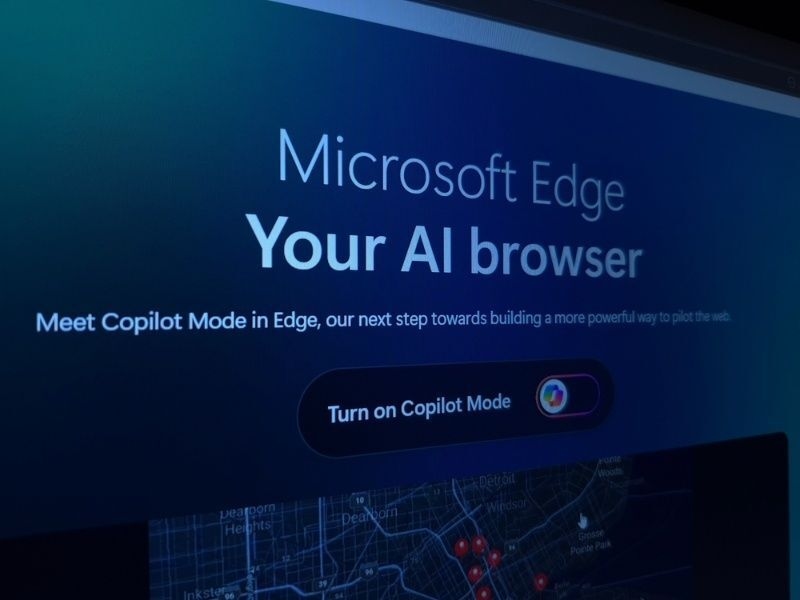
It's likely that online browsing in the future will feel more predictable than reactive.
It's possible that browsers won't wait for users to start searching. Alternatively, they might use activities, calendars, habits, or incomplete chores to predict demands.
Though certain aspects of it currently exist, it sounds futuristic.
Without having to search again, a person looking into cameras may instantly get comparisons, reviews, price reductions, and even recommendations for purchases.
Privacy Concerns Will Stay Important
More data often equates to more customization.
Privacy discussions will increase as AI browsers get better. Convenience is what people desire, but if browsers track too much personal behavior, many could be hesitant.
Almost as important as speed will be trust.
Businesses creating these technologies will probably be under pressure to increase their transparency.
Search May Become More Direct
Fewer linkages might be the most significant long-term shift.
Conventional search directs people to webpages. AI-powered search frequently attempts to provide instant answers. That may change how people use the internet to get information.
Reduce your browsing. More results.
Conclusion
Search patterns are evolving more quickly than many anticipated. What began as simple autocomplete programs has evolved into more intelligent, useful systems that comprehend context, summarize data, and minimize effort wastage. AI browsers are altering how people use the internet, not taking its place.
Although there are worries, particularly around privacy, the change already seems genuine. AI browsers will probably become more commonplace as technology advances rather than being novel or out of the ordinary. For cutting-edge AI chat search solutions, check out perplex.com.
FAQs
Can AI browsers work without internet access?
Since the majority of AI browsers rely on real-time search, cloud processing, or updated data from the internet, they often need an internet connection. When the device is not connected to the Web, features like utilizing local tools and storing summaries could be accessible, but full capability usually requires connectivity to the Web.
Are AI browsers only useful for tech experts?
Not at all. In many respects, they are equally easy for non-technical users. Asking questions doesn't need you to be familiar with sophisticated search strategies or have the correct keyword. Part of the appeal is that simplicity.
Will AI browsers take the place of search engines?
Not quite. For finding fresh or more detailed information, search engines are still crucial. The primary function of AI browsers is to improve users' access to such information, not to completely replace search.
Do AI browsers offer any advantage for businesses?
Yes, especially groups that deal with information management, data comparison, or research. Long-term benefits might come from automated summaries that are more intelligent or well-organized and need less manual searching. In the job, every bit counts.
Recommended Articles

AI Forecasting in 2026: How Sm...
Using outdated manual spreadsheets to plan the financial future of your compa...
Read More
AI Data Security Threats Every...
AI is now part of everyday business. Companies use it for sorting data, a...
Read More

What can I help you with?
Unlock more with PerplexPlus
PerplexPlus gives you higher limits, smarter models, and more.